23rd January, 2026
Megadeth
'Megadeth'
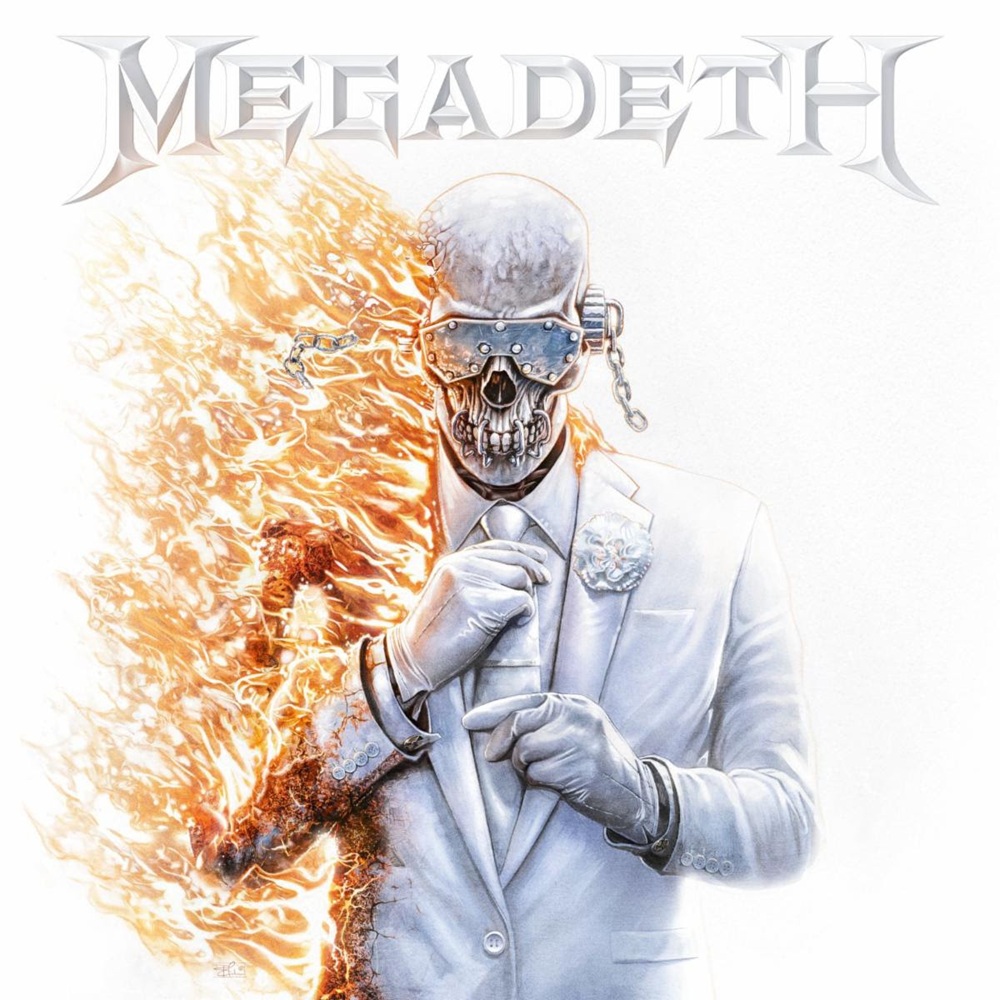 Despite a long-standing affection for Megadeth's catalog until the mid 1990s and then a sort of tolerance until the 2000s - the self-titled Megadeth album ultimately highlights the band's limitations more than its strengths, and nowhere is this more apparent than in its production and ill-advised closing cover of “Ride the Lightning.”
From a sonic standpoint, the album continues Megadeth's ongoing struggle with modern metal production aesthetics. While the drums are marginally less clicky than on Dystopia and The Sick, the Dying… and the Dead!, they remain heavily compressed and unnaturally rigid, with a snare sound that is not only excessively loud but actively abrasive.
Rather than sounding powerful, the percussion feels flattened and sterile, robbing the music of dynamics and impact. The mix is relentlessly loud yet oddly lifeless, giving the impression of music that has been over-processed into submission. Any sense of air, danger, or rawness - qualities that once defined Megadeth - is conspicuously absent.
Despite a long-standing affection for Megadeth's catalog until the mid 1990s and then a sort of tolerance until the 2000s - the self-titled Megadeth album ultimately highlights the band's limitations more than its strengths, and nowhere is this more apparent than in its production and ill-advised closing cover of “Ride the Lightning.”
From a sonic standpoint, the album continues Megadeth's ongoing struggle with modern metal production aesthetics. While the drums are marginally less clicky than on Dystopia and The Sick, the Dying… and the Dead!, they remain heavily compressed and unnaturally rigid, with a snare sound that is not only excessively loud but actively abrasive.
Rather than sounding powerful, the percussion feels flattened and sterile, robbing the music of dynamics and impact. The mix is relentlessly loud yet oddly lifeless, giving the impression of music that has been over-processed into submission. Any sense of air, danger, or rawness - qualities that once defined Megadeth - is conspicuously absent.
The guitars, though technically precise, suffer from the same clinical treatment. They are sharp but bloodless, sitting in the mix with little depth or texture. The production favors clarity at the expense of aggression, resulting in riffs that sound rehearsed rather than threatening. Even moments that should hit hard instead feel restrained, as if the album has been engineered to sound “correct” rather than compelling. The bass, while slightly more audible than on the previous album, remains largely inconsequential, reinforcing the sense that Megadeth's rhythmic foundation has lost much of its former identity since David Ellefson's departure.
This sterility becomes especially damaging on the album's final track, the much-discussed cover of Metallica's “Ride the Lightning.” As a closing statement - particularly on what is rumored to be the band's final album - it is difficult to imagine a more misguided choice. Rather than reinterpreting or recontextualizing the song, Megadeth deliver an almost note-for-note reproduction that drains the original of its venom, urgency, and youthful ferocity. What once sounded like controlled chaos now resembles a technically competent but emotionally hollow run-through, akin to a high-end wedding band covering a classic without truly understanding its spirit.
Have a listen to the album below while you read ->
Dave Mustaine's vocal performance is the most glaring weakness here. He sounds as though he is merely attempting to hit the notes, not inhabit them, and the result is a delivery that strips the song of its menace. The original thrived on barely restrained aggression; here, the vocals feel labored and cautious, sucking the life out of the music. Any lingering notion that Mustaine's trademark snarl might compensate for his diminished range is thoroughly dispelled. This is not a reinterpretation filtered through experience - it is a reminder of how much ground has been lost. One cannot help but think that had Megadeth tackled this song circa Rust in Peace, the result might have been genuinely vicious rather than curiously limp.
The production does the cover no favors whatsoever. The dry, ultra-clean mix completely removes the icy atmosphere that made the original Ride the Lightning so effective. Flemming Rasmussen's 1980s production gave the track space, reverb, and a sense of looming dread; here, everything is boxed in and sanitized. The cold, expansive feel is replaced with something flat and neutered, reinforcing the impression that this version exists more as an exercise in control than expression. In the 1980s, a recording like this would not even have passed muster as a B-side.
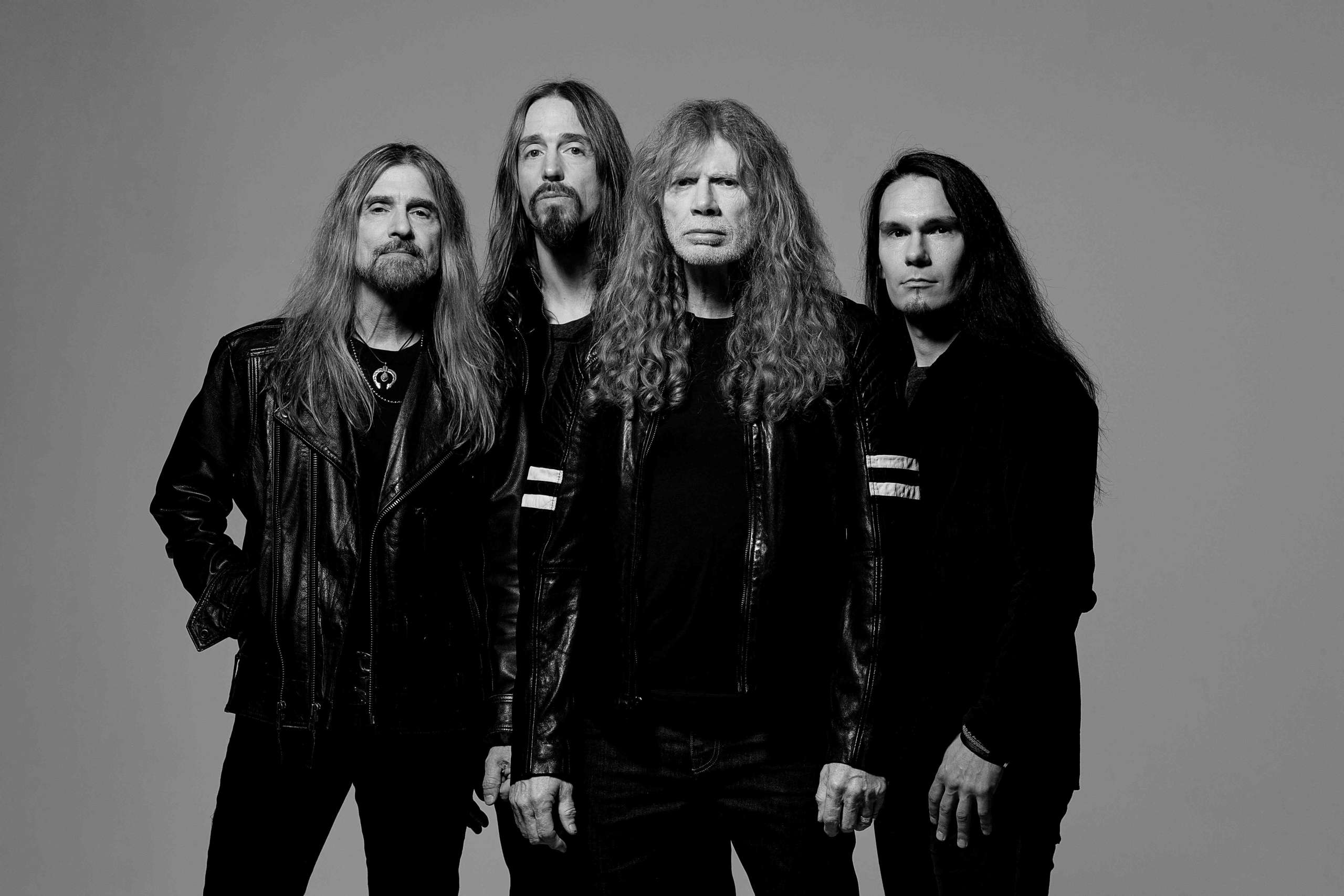
Perhaps most telling is Mustaine's decision to keep the song so rigidly faithful to the original. This was a rare opportunity to reimagine the track, to inject Megadeth's own identity into it, or to meaningfully diverge from Metallica's blueprint. Instead, the near-identical arrangement suggests an obsession with reclaiming authorship rather than offering a creative reinterpretation. There is little sense of tribute here; if anything, the cover feels like an ego-driven statement, as though Mustaine wanted to assert ownership by freezing the song in its original form rather than reshaping it.
The solo is particularly emblematic of this mindset. It is reproduced almost verbatim, with the small deviations feeling less like artistic choices and more like moments where Mustaine simply could not - or chose not to - replicate certain nuances exactly. Ironically, this was the one place where he could have asserted his individuality most convincingly. That he did not speaks volumes. His decision to handle the solo himself only reinforces the long-standing impression that he remains perpetually locked in an unspoken competition with Kirk Hammett - one that, decades later, still seems unresolved.
Adding to the awkwardness are the subtly auto-tuned vocals, which sound deeply out of place on such a raw, historically significant track. Rather than smoothing imperfections, the processing introduces an uncanny, artificial quality that further distances the performance from the original's visceral energy. The result is a version of “Ride the Lightning” that feels oddly disconnected from both Megadeth's legacy and Metallica's - caught in an uncomfortable middle ground where technical accuracy replaces emotional force.
In the end, the production choices across Megadeth consistently undermine what little urgency the songwriting might have had, and the inclusion of “Ride the Lightning” only amplifies the album's core problems. Instead of serving as a powerful closing statement or a bold act of reclamation, the cover functions as a stark reminder of diminished fire, excessive polish, and missed opportunity. If this album is meant to represent Megadeth's final word, it is a strangely sterile and anticlimactic way to go out - competent, controlled, and entirely devoid of danger.