30th January, 2025
Shepherds of Cassini
'In Thrall to Heresy'
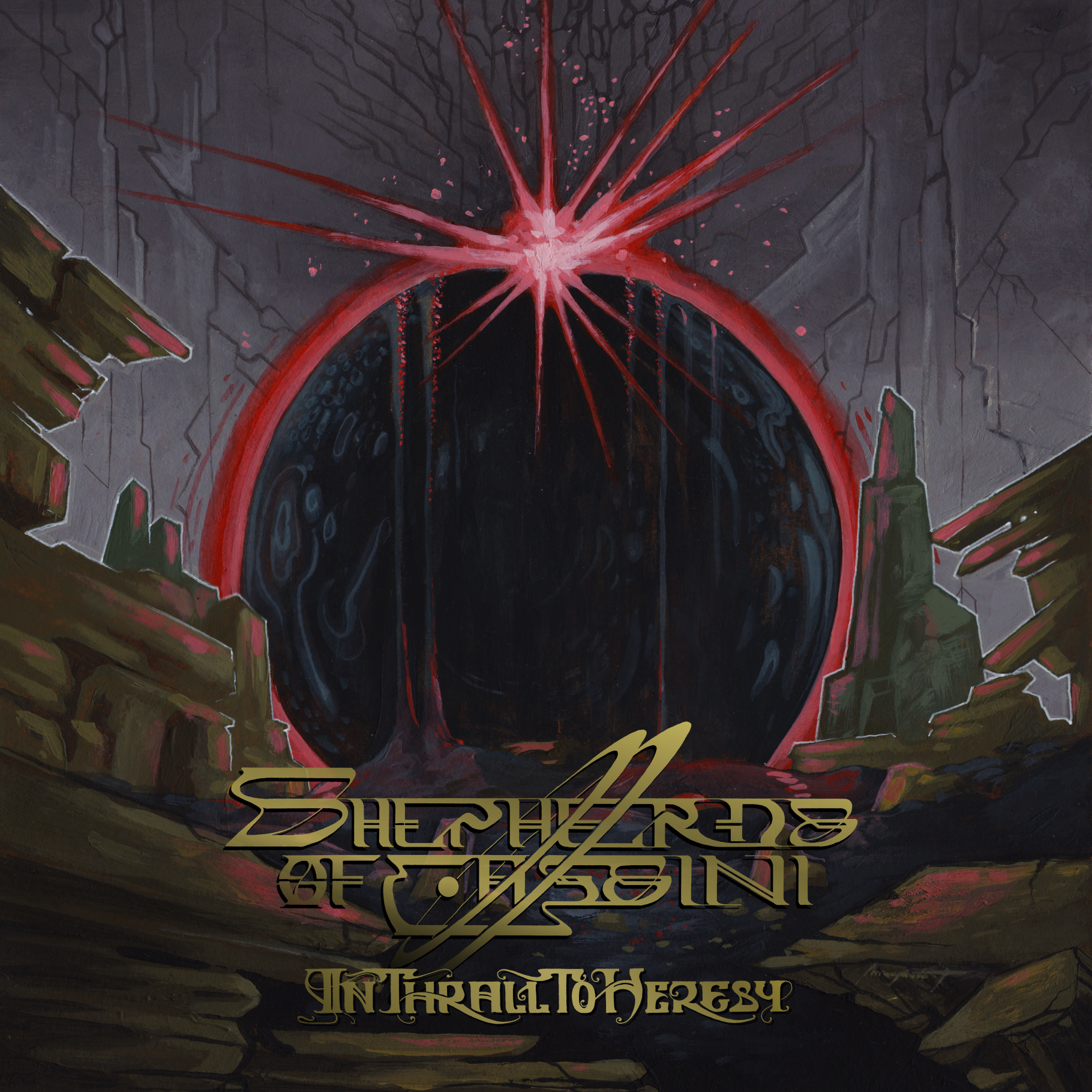 You are in for a treat with this one, folks. After a seven-year hiatus, Auckland's psychedelic prog quartet Shepherds of Cassini return with their third full-length album, In Thrall to Heresy.
True to their established reputation, the band conjures an expansive sonic landscape where crushing guitar and bass riffs collide with swirling violin passages. Plenty to absorb.
Yet on this record, they also push boundaries further. Their brand of "atmospheric turbulence" feels more layered and deliberate than before, as if every chord, lyric, and swirling echo is orchestrated to
seize the listener in a cosmic vice grip.
You are in for a treat with this one, folks. After a seven-year hiatus, Auckland's psychedelic prog quartet Shepherds of Cassini return with their third full-length album, In Thrall to Heresy.
True to their established reputation, the band conjures an expansive sonic landscape where crushing guitar and bass riffs collide with swirling violin passages. Plenty to absorb.
Yet on this record, they also push boundaries further. Their brand of "atmospheric turbulence" feels more layered and deliberate than before, as if every chord, lyric, and swirling echo is orchestrated to
seize the listener in a cosmic vice grip.
The first song is the 11-minute epic "Usurper" which starts off with a dreamy, clean guitar run soon joined by a majestic, accommodating bass line and a searing violin. From the moment the album opens, In Thrall to Heresy establishes two opposing moods—ominous heaviness and shimmering, dreamlike calm. Within a minute, we are hit with vocals, crunching distortion, and rolling drums. The vocals have bite and strength, the cymbals sound crisp, and the snare is delightfully fat and punchy. "Usurper" has that sweeping sense of power—toppling mountains around the four-minute mark—where things pivot from progressive rock to metal in a Symphony X vein, shaking the very ground beneath them. Each transition has purpose, whether connected by a bass line surging up or a drum fill pushing down on our chests.
Around the 5:30 mark, we're charmed by an Opeth-like stop/start guitar chug, whispers swirling in the background while the bass takes a more Tool-inspired lead approach. Some lovely violin and lead guitar lines swell in and out as we near the eight-minute mark, where the music grows heavier and more urgent.
Interestingly enough, this guitar focused riff heavy section brings to mind something Silverchair might have conjured on Diorama. The song ends in classic style with a strong solo leading us back into a satisfying vocal hook that finishes on a high note.
Lyrically, these songs demonstrate not only the band's flair for poetic, often dark imagery, but also a newfound clarity in their message: ambition, transformation, and the mortal conflict of self.
Have a listen to the album below while you read ->
"Shifting Gleam" is the second track and the first instrumental — only about a minute long — but it guides you through an Alice in Wonderland-like atmosphere with heavy breathing to further unsettle you. Alas - there is no white rabbit here, as we blast into "Slough." It's more straightforward in its approach at first but reveals more flair as it progresses. You'll find clever vocal layering and occasional radio-style effects that keep the listener second-guessing what comes next. There's some tactful wah-wah use before a somber lead guitar section, which also resonates with the lyrics. "Slough" channels a sense of personal reckoning—"My name is mud" echoes like a confessional refrain—giving the impression of someone peeling back layers of guilt and regret in an internal war of attrition.
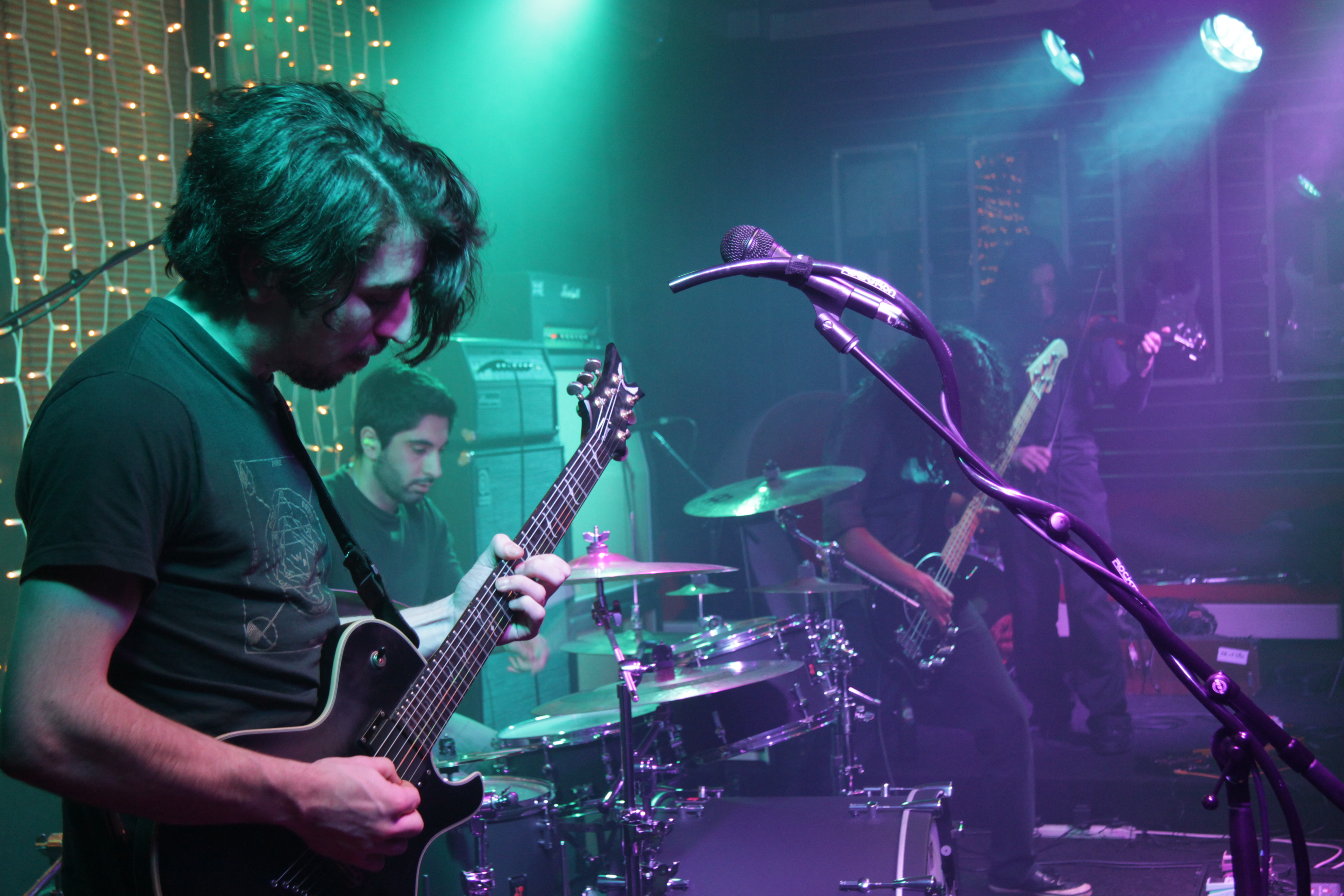 Toward the four-minute mark, things start to ramp up into a sort of madness, with throaty screams and blast beats under a grandiose violin lead. That section decays to let the bass stand out, delivering an excellent note arrangement that transitions us into a lovely bass/drum/vocal bridge, broken up by some tasteful distorted guitar riffs. The last minute or so is the perfect wrap-up for the track: it references some of the overarching progression yet manages to tie everything together beautifully.
Vestibule" the fourth track, adds a fresh element—a sort of '80s horror-synthwave intro that's always on the brink of instability. Then a low, heartbeat-like drone creeps in, further unsettling the listener. Distorted drums emerge halfway through, and you almost expect Trent Reznor to deliver vocals; it's reminiscent of something that might have landed on The Fragile, showcasing just how many strings these guys can add to their musical bow. It makes you wonder about the full potential they'd reach if they continue to incorporate more of these styles into their progressive mold.
The album's instrumental pieces act as ethereal bridges, washing you in undulating violin lines courtesy of Felix Lun, bass grooves that bubble like molten rock, and bristling guitar work that shifts between doom-laden chords and shimmering post-rock textures. The production, led by Dave Rhodes at The Chapel, is crisp yet richly layered—every cymbal crash and violin swell rings out in precise detail. The involvement of new visual artist Moonroot—whose hand-painted artwork evokes the same turbulent mysticism found in the music—further cements In Thrall to Heresy as a cohesive art piece.
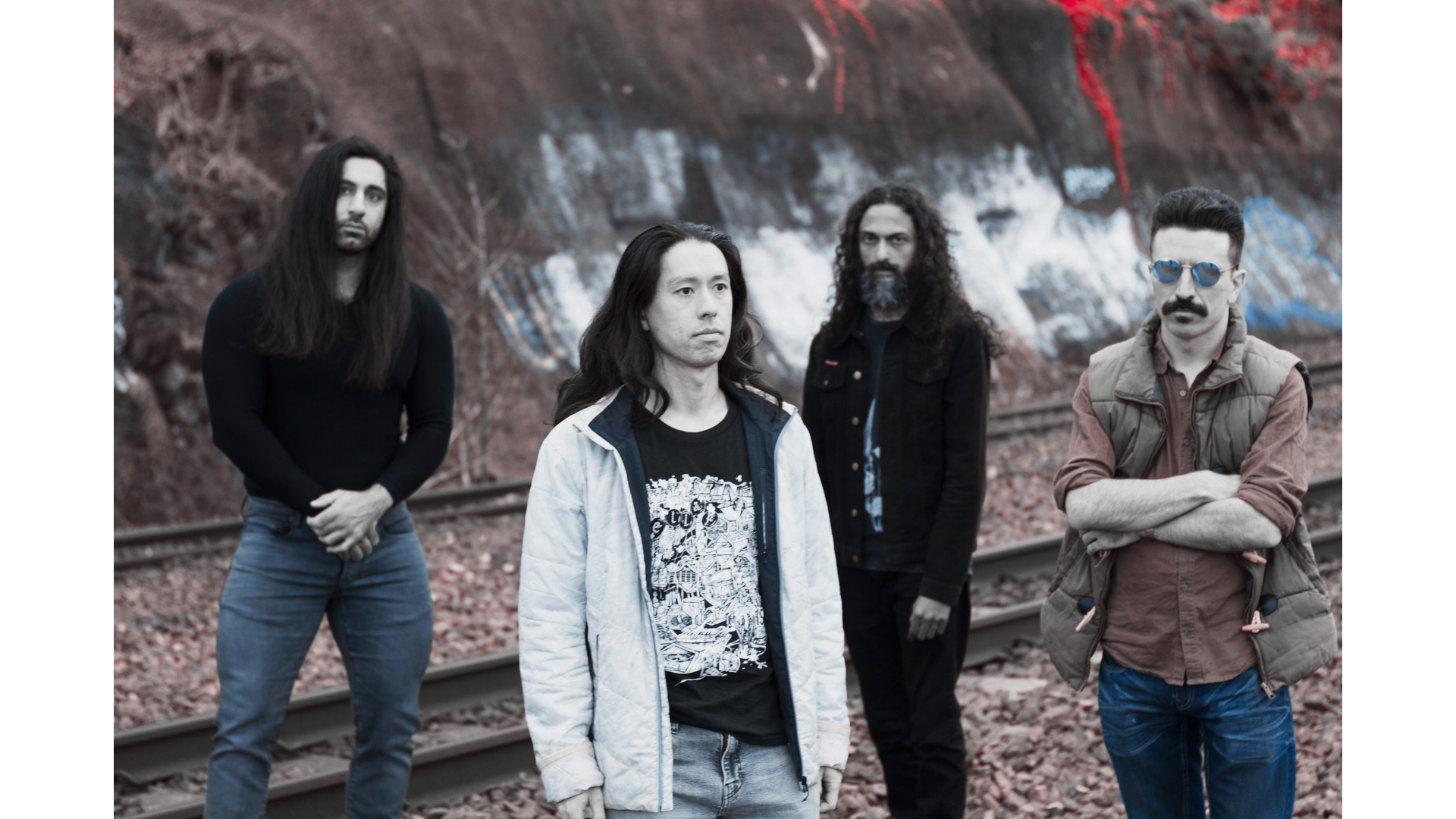 Equally arresting is "Red Veil" which opens with the most aggressive tone we've heard so far—a snarling, near-ritual chant ("Kill the sun, spill the seed, fill the urn, empty me…") that underscores the band's appetite for existential dread in their lyrics. The vocals are excellent, showcasing a formidable scream that works brilliantly, and the shift in tone is perfectly timed within the album. When the melodic vocals return, they create a striking contrast to the track's earlier heaviness. Even the "shouty" vocal approach around the four-minute mark highlights the versatility and emotional depth that vocalist Brendan Zwaan possesses. This might be the album's most metal-oriented track, loaded with powerful riffs and soaring solos, especially around the six-minute mark. The outro's fantastic guitar riff—propelled by marching drums—caps things off in stellar fashion.
"Mutineers" introduces an almost drunken guitar lick, haunting in its own toxin, with occasional piercing violin lines, reminiscent of Jeff Wayne's War of the Worlds track "Dead London." That's high praise indeed for one of the best musical albums ever.
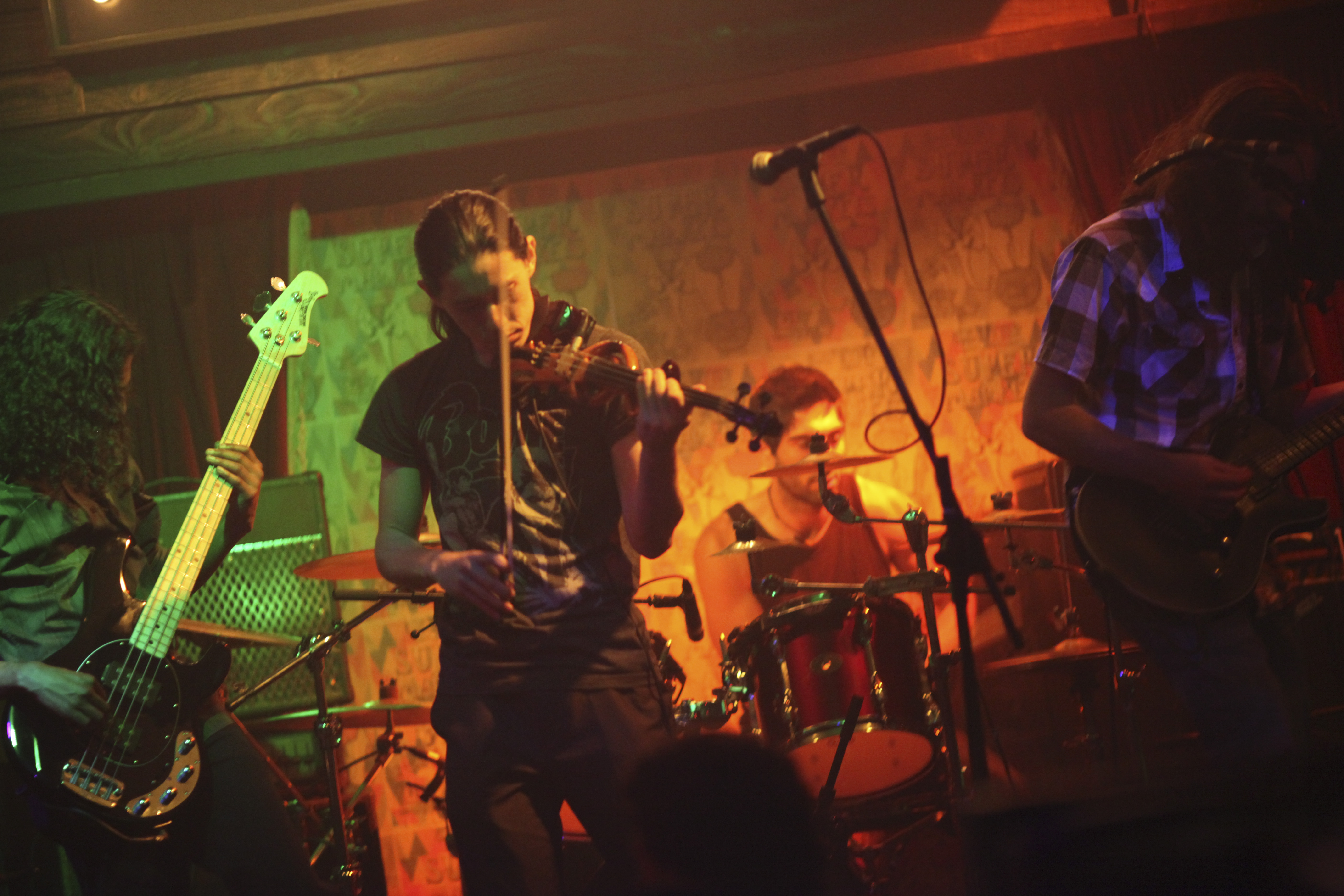 "Abyss" the seventh and final vocal track, begins with eerie guitar feedback before segueing into a hypnotic bass riff. Tense background soundscapes keep the mood palpable. This is an engaging piece from start to finish. Each layer is impressive, from the relentless toms to the electric vocals that recall Anathema's A Natural Disaster, until we hit a sublime moment around the three-minute mark—arguably the most beautiful vocal line on the record, akin to something Steven Wilson might devise. Bolstered by violin and clean guitars, it's a standout highlight. Fortunately, the band sustains this feel for several minutes, culminating around the seven-minute mark with urgent drumming and yet another jaw-dropping bass moment. An excellent violin solo follows, never overstaying its welcome. This is a shining example of a band that knows how to build a song from the ground up: each member is thoughtful with their instrumentation, knowing exactly when to let someone else take the spotlight before blasting you into outer space around the ten-minute point. "Abyss" sets a starkly introspective tone—faith eroded by fear, whispers in the dark, and a current of longing that rises when the drums crescendo. The last five minutes are loaded with star-topping guitar solos, driving bass lines, and an epic series of screams that shoot straight to the sky.
"Threnody" the final track, starts with the crackle of a burning fire and a spacey synth-like guitar line, full of contemplative wonder. The bass enters beautifully, its notes splashing like water, and is rounded out by the violin, which provides a vital potency. This ending feels like drifting into a dream state—a trance that closes the album with your eyes shut, letting the wind and sand swirl around you.
 Even with the density of sound, the band are masterful at pacing. For all the labyrinthine structures, there's plenty of space for this album to breathe and let the crescendos resonate before they crash back to earth. This sense of dynamics elevates In Thrall to Heresy above many contemporary prog-metal releases—it never stalls, and it never feels rushed.
Ultimately, In Thrall to Heresy is a triumphant comeback—both accessible in its melodic clarity and challenging, yet extremely rewarding in its layered, unrelenting explorations of the darker corners of the human psyche. Longtime fans will relish the heavier sections and virtuosic performances, while newcomers may find themselves entranced by the balance of aggression and hypnotic serenity. The emotional weight of the lyrical tracks interlocks seamlessly with the album's otherworldly soundscapes, resulting in a listening journey as reflective as it is intense.
Folks, don't sleep on this release—In Thrall to Heresy is worth every minute of your time. Shepherds of Cassini have indeed returned, staking a compelling claim at the forefront of modern psychedelic prog. Go and support it!